Rajashekaraiah InstitutE of Ayurveda Medical Sciences and Hospital

ART Corner
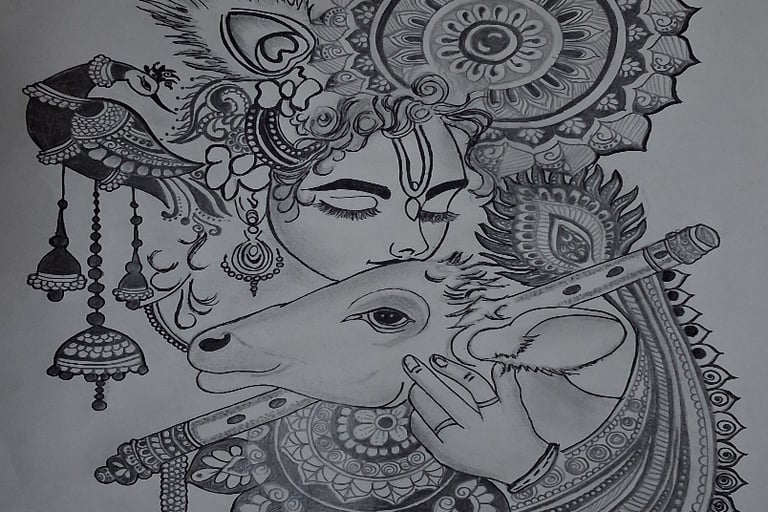
Ms. Pranati M, 1st Phase BAMS
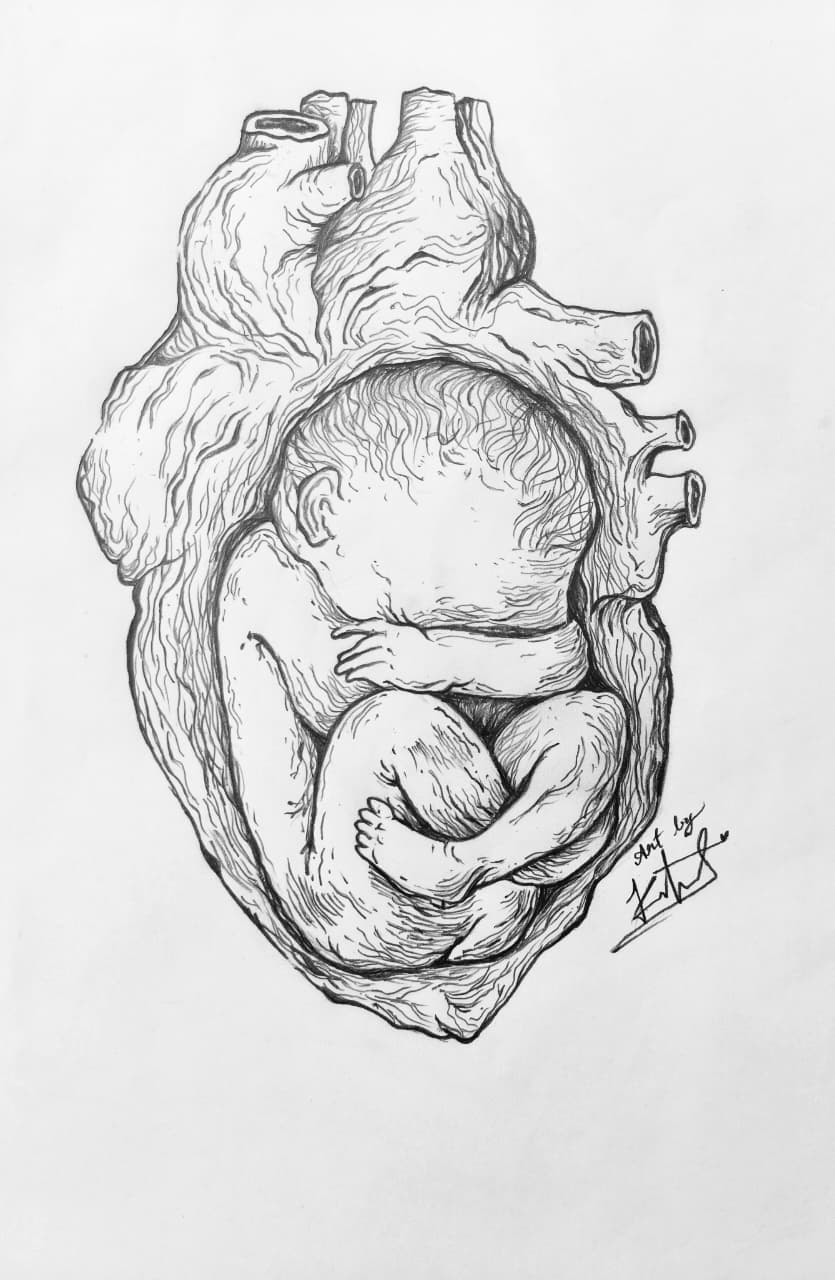
Ms. Keerthana S, 1st Phase BAMS
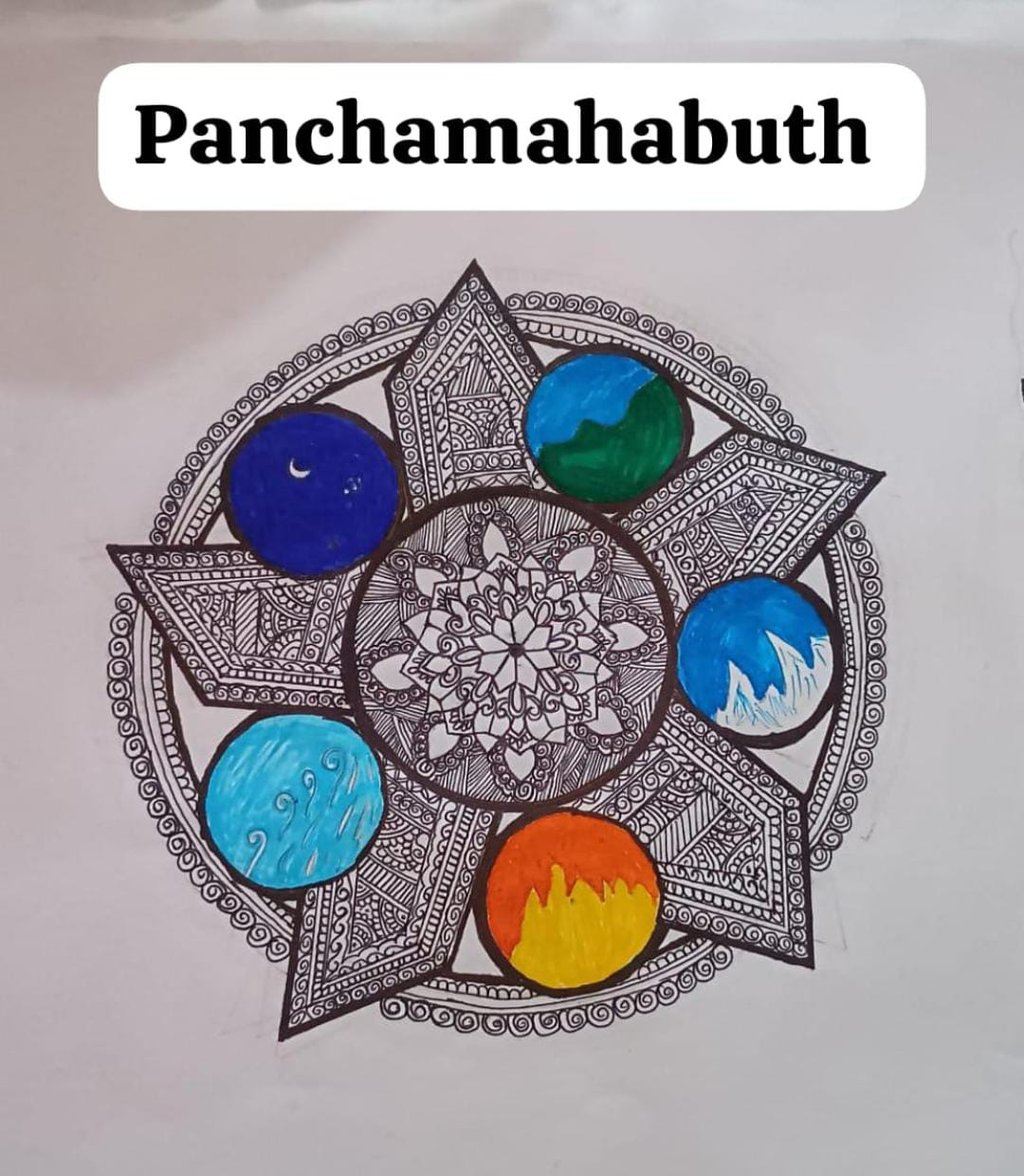
Ms. Akshatha R, 1st Phase BAMS
CALLIGRAPHY Corner




Ms. Sinchana J K, 1st Phase BAMS
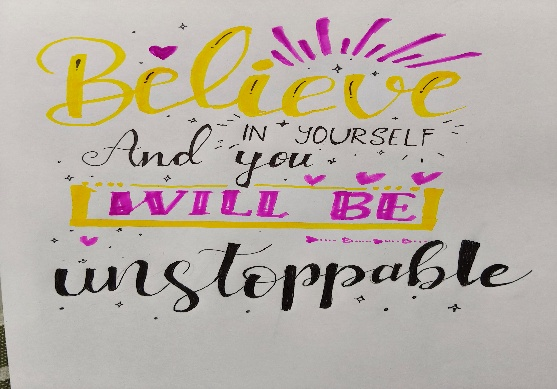

Ms. Keerthana S, 1st Phase BAMS
PHOTOGRAPHY Corner
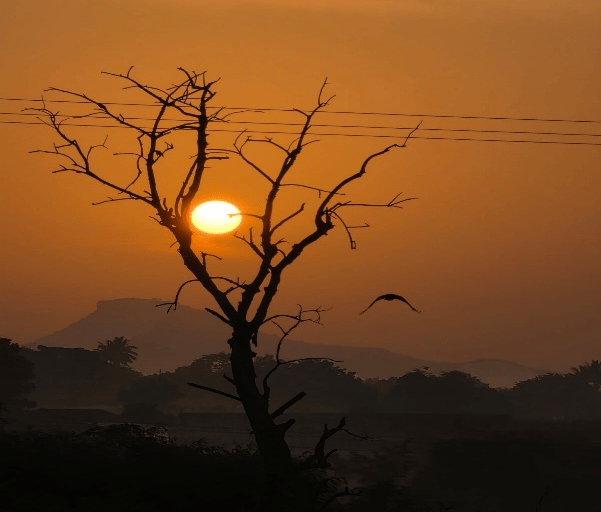
Ms. Sayali Mahesh Swami, 2nd Phase BAMS


Ms. Shruti Dandge, 1st Phase BAMS
ARTICLE Corner
CONCEPT OF PUNARJANMA (REINCARNATION):
Ms. Preeti, 1st Phase BAMS
Abstract: The concept of Punarjanma is devised from Vedic literature, Darshanas, its evidences are available in Ayurveda in Charaka Samhita. While discussing about Tisraishaneeya i.e., Pranaishna, Dhanaishna and Paralokaishna, here the concept of Punarjanma has been discussed and also while discussing how atma moves from one Sharira to another Sharia the reason behind this is because of Punarjanma karma. The concept of other world is difficult to understand and some people don’t accept this as it is imperceptible. Acharyas said that the person must have faith in Almighty God and should believe in Shastras even when they have not perceived or experienced it. So, in this article an effort has been made to explore the underlying truth behind this concept.
Introduction: Ayurveda states that its aim is to maintain physical and mental health, here in Nyaya Darshana they have explained and accept the concept of Punarjanma and other Darshana have explained about the endless cycle of life, birth, death and rebirth. Vaisheshika Darshana accepts jivatma and parmatma, where jivatma refers to mrit sharira. After the death the physical body shed down but mind, senses and atma quits the body and moves from one physical body to another physical body. This is called Punarjanma.
The holy books, scriptures and texts explained that Punarjanma happens for every soul until it attains moksha. Acharya Charaka has stated that the Sadhya vyadhi will achieve asadhyatva due to Punarjanma krit karma. Besides there exists difference of opinion even among the scriptures and some people, one who don’t believe in invisible things. The process of rebirth continues until the strong deeds of either this or past life gets destroyed. This can be proved by chaturvidha pramana i.e., Aptopadesha, Pratyaksha, Anumana and Yukti.
Aptopadesha: In Ayurveda, Apta people has great importance as they are devoid of rajas and tamas, so they are considered that their words are truth and devoid of any doubts. They provided evidence of moksha and rebirth. Pratyaksha: It is observed that the birth of children dissimilar to their parents, such as difference of complexion, voice, features, destiny; Birth in higher or lower class; even without any training feeling of weeping, breast suckling, laughing etc., The reason behind these are past deeds of purva janma. Anumana: The concept of punarjanma is explained on the basis of anumana. Results of the acts done by the atma is indestructible, till it is not enjoyed. It is inferred that deeds done in this life will influence the next life. This evidence is similar to inferring the future fruit from seeds and seeds from the fruit. Yukti: The Garbha is formed by combination of panchamahabhuta and atma. Atma is immortal and moves from one body to another body. The results are seen only of the karma having been performed and not of unperformed action. The seed of one plant cannot grow the different plant.
Evidences:
1. Acharya Sushruta has explained the concept of Jatismara in Sushruta Samhita. Jatismara means an individual has the sattvic mind which is endowed from his previous life, he can recall the events of his past life.
2.In Charaka Samhita, it is mentioned that the reason for the Utpatti of Garbha is taken by the atma, mata and pita and dependent on his past deeds of their past life.
3.One of the most famous cases suggesting Punarjanma is of Shanti Devi who claimed to remember a past life as Lugdi Devi which was investigated by the commission appointed by Mahatma Gandhi and later by researchers like Ian Stevenson, which reportedly matched her words with verified facts, several other researchers interviewed her and published articles and books about her.
4.Dr. Satwant Pasricha was known for Reincarnation research, near death experience research. She has investigated and participated in about 500 cases involving children since 1973 who claim to remember previous lives. She collaborated with Ian Stevenson in reincarnation research beginning in the 1970s. The methodical approach has documented so many incidents which have not been easily explained by conventional means.
5.Ian Stevenson’s research: Dr. Ian Stevenson, a psychiatrist from the University of Virginia, became a prominent figure in reincarnation research, Investigating 100s of cases. Focused on children who claimed to remember the past life, often present in with weird unusual behaviour corresponding the past lives.
Conclusion: Punarjanma, debatable and controversial topic. This has been accepted also and rejected by many people and darshanas like charvaka who don’t believe in God, daiva, rebirth and moksha. It’s very soft subject, everyone have different opinions on this, some people including myself who believes in karmaphala, daiva can accept this despite of imperceptible and not experiencing ,some might not accept this as it is not perceptible might be due to Pratyaksha bhadakara bhavas, as the scope of perception is very limited, while that of imperceptible is very wide and also substantiated by shastras, anumana and yukti, move over the instruments of perception i.e., Indriyas themselves are imperceptible. But one cannot be forced to accept or reject punarjanma, atma, karma, karmaphala concept as it depends upon one’s thinking. As it remains unproven hypothesis. It solely depends on one’s faith to believe on the concept of Punarjanma. So, Punarjanma is not only believed religiously or philosophically it can be explored in wide aspect to go beyond the science.
The World Isn’t Watching - And That’s a Good Thing
Ms. Ayushi Kumari, 1st Phase BAMS
Most of us try to play amateur detective roles in our lives. We replay the conversations we had with people in our heads, wondering if that joke fell flat. We overthink what to wear for a quick coffee run. We hesitate before sending a message, fact checking and re reading it as if it might be submitted for grading. These habits feel intensely personal, but they are almost entirely universal and almost every human past or present would have gone through these thoughts at one point in their lives. At the root of them lies a quiet misunderstanding about how the world works: the assumption that we are being watched far more closely than we actually are.
Psychologists call this the spotlight effect our tendency to believe that our actions, mistakes and appearances are front and center in other people’s minds. In reality the world doesn't care. Most people are too busy managing their own thoughts, insecurities, and to-do lists to pay sustained attention to ours. That awkward silence in today’s conversation you’re still thinking about has already faded from everyone else’s memory. The world moves on with an impressive yet scary efficiency. Yet we continue to live as though everybody else is making us the center of their world.
This illusion has always existed. What has changed is how it plays out.
Social media has taken the spotlight effect and turned it into a daily performance. Likes, views and shares translate small dopamine hits into numbers, quietly teaching us that visibility equals value. For today’s youth in particular, identity is increasingly shaped not just by real world relationships but by algorithm driven platforms that reward constant engagement trying to enslave us to it. The spotlight no longer feels imagined, it feels measurable. When a post doesn’t perform well, it doesn’t simply disappear it feels like a judgment, which isn't true we are just made to think that way.
Then there is doom scrolling: the modern habit of consuming content long after it has stopped being useful, interesting, or enjoyable. Feeds are designed to be endless, removing natural stopping points and replacing them with novelty, outrage and emotional hooks. This is not accidental design. Many platforms rely on what are known as dark patterns interfaces deliberately crafted to keep users hooked. Notifications create urgency. Infinite scroll builds habit. Recommendation systems learn what unsettles us and serve more of it.
The effects accumulate quietly. Most of our attention spans have been fried this year, we can’t concentrate on something even if it meant life or death. Deep focus feels harder to sustain. Silence feels uncomfortable. Reflection is replaced by reaction. Combined with the spotlight effect, this creates a strange modern paradox: we feel constantly observed, yet increasingly disconnected hyper aware of ourselves, but detached from the larger rhythm of life beyond the screen.
Here is the harsh truth most of you will refuse to accept even though we: you are not the center of attention.
People forget your mistakes. They are not replaying your awkward moments at night. The world keeps moving, conversations shift, timelines refresh. This isn’t indifference it’s freedom. When we realize that we are not under constant scrutiny, we gain space to live more intentionally instead of performing endlessly for an imaginary audience.
This is where ancient wisdom begins to feel surprisingly relevant. Ayurveda, the traditional Indian system of holistic health, views mental restlessness and distraction as signs of imbalance rather than personal failure. Irregular routines, poor sleep, sensory overload, and constant stimulation disturb the mind’s natural steadiness.
Its solutions are simple, even unfashionable: consistent daily rhythms, mindful eating, adequate rest, and practices that calm the nervous system. Reducing stimulation is not treated as deprivation, but as nourishment. Time away from screens, exposure to natural light, physical movement, and breath-based practices help restore attention and clarity. When the body is regulated, the mind follows it too.
A healthy lifestyle, in this sense, is not just about fitness or longevity. It is about reclaiming agency in a world that is designed to fragment attention. When our focus is not constantly hijacked, our decisions become deliberate rather than reactive. Our confidence grows not from being seen, but from being centered. Progress comes not from chasing validation, but from sustained and focused effort.
Getting ahead in life is rarely about standing under a spotlight. More often, it’s about knowing when to step out of it. The world will continue to move forward with or without our self-consciousness. And the moment we accept that, we gain something far more valuable than attention: freedom.
HUMANITY – The Heart of Being Truly Human
Mr. Aftab khan, 1st Phase BAMS
What does it really mean to be human?
Is it about dreaming big, creating new things, or achieving success?
All of that is important, but it’s not what truly makes us human.
What really defines us is how we treat others—our ability to care, to understand and to help.
Kindness, empathy and compassion are what connect us, no matter where we come from or what we believe in.
Today, life feels like a constant race.
Everyone is busy trying to win, to be better, to go ahead.
In this rush, we often forget what truly matters.
We forget to be kind, to listen, to care.
But what matters most is a kind heart and a peaceful mind.
Our lives are full of noise and distractions, but small good actions still shine the brightest.
A simple smile, helping someone, or standing up for what is right may seem small, but they can change someone’s whole day.
These little acts remind us that we are all connected and that even small kindness can bring hope.
The world today faces many big problems—
Nature is in danger; people are treated unfairly and wars cause suffering.
These problems are huge, but the solution begins with us.
When we choose compassion, understanding and teamwork, we can slowly make the world better.
Imagine a world where kindness spreads easily, where people see good in each other and where caring for others leads to progress.
It may sound like a dream, but every big change starts with a small step.
When we practice humanity every day, we can bring people together and find answers even to the hardest problems.
“ Before becoming a doctor it is necessary to become a good human first”.
ESSAY Corner
Relevance of Dinacharya in modern lifestyle
Ms. Sayali Mahesh Swami - 2nd Phase BAMS
Introduction: In the present era of globalization and modernization, human life has become fast, mechanical and stressful. Irregular food habits, sedentary lifestyle, late-night sleeping, excessive screen usage and mental stress have become part of daily life. As a result, lifestyle disorders such as obesity, diabetes, hypertension, anxiety, insomnia and digestive problems are increasing rapidly. In such circumstances, Ayurveda, the ancient science of life, provides a holistic solution through the concept of Dinacharya.
Dinacharya is a daily regimen described in Ayurvedic classics that helps in maintaining physical, mental and spiritual health. Though explained thousands of years ago, its relevance has increased even more in the modern lifestyle. Ayurveda beautifully states: “स्वस्थस्य स्वास्थ्य रक्षणं, आतुरस्य विकार प्रशमनं।”, to preserve the health of a healthy person and to cure the disease of the diseased. This principle is perfectly fulfilled by the practice of Dinacharya.
Concept of Dinacharya: The word Dinacharya is derived from: Dina – Day, Charya – Conduct or routine. Thus, Dinacharya means the daily routine to be followed for maintaining health and preventing diseases.
Dinacharya has been elaborately described by Acharya Charaka, Sushruta and Vagbhata in their respective Samhitas. It aims at maintaining the balance of Tridosha (Vata, Pitta, Kapha), improving digestion, strengthening immunity and promoting longevity. Ayurveda considers Dinacharya as a foundation of healthy living.
Components of Dinacharya:
1. Brahma Muhurta Uttishta (Early Morning Awakening): Waking up during Brahma Muhurta (around 4:00–6:00am) is highly recommended. Benefits include improves memory and concentration, enhances mental clarity, helps in proper bowel evacuation, increases positivity and energy - “ब्रह्मेमुहूर्तेउत्तिष्ठेत्स्वस्थोरक्षार्थमायुषः”
2. Dantadhavana and Jihva Nirlekhana (Cleaning teeth and tongue daily): Maintains oral hygiene, removes toxins, improves taste sensation, prevents dental diseases. Tongue scraping also helps in digestion by stimulating digestive fire (Agni).
3. Anjana and Nasya: Anjana (collyrium) improves eyesight and prevents eye disorders. Nasya (nasal medicaments) strengthens sense organs, improves memory and prevents diseases of head and neck. Nasya is especially useful in today’s time due to pollution and screen exposure.
4. Abhyanga (Oil Massage): Daily oil massage is one of the most important components of Dinacharya. Benefits include nourishes skin and muscles, reduces stress and fatigue, improves blood circulation, balances Vata dosha, delays aging. It also provides mental relaxation and sound sleep.
5. Vyayama (Exercise): Regular physical activity maintains body, strength, digestion and metabolism, ideal body weight. Ayurveda advises moderate exercise (Ardha Shakti Vyayama) to avoid exhaustion.
6. Snana (Bathing): Bathing purifies the body and mind. It removes fatigue, improves circulation, increases freshness and alertness.
7. Ahara Vidhi (Proper Dietary Habits): Ayurveda considers food as medicine. “आहारःएव औषधम्”. The principles include eating at proper time, consuming fresh and warm food, avoiding overeating, eating according to digestive power and season, proper diet maintains, agni and prevents disease.
8. Nidra (Sleep): Nidra is one of the Trayopastambha (three pillars of life). Benefits include physical and mental restoration, improves immunity, enhances memory, prevents stress and depression. Lack of sleep leads to many lifestyle disorders.
Relevance of dinacharya in modern lifestyle: Modern lifestyle is characterized by stress and anxiety, irregular meals, lack of exercise, excessive use of gadgets, disturbed sleep, dinacharya helps in combating these problems effectively.
Importance in Modern Era: Prevents lifestyle disorders, improves digestion and metabolism, reduces mental stress, enhances immunity, maintains hormonal balance, promotes longevity, improves quality of life. Dinacharya acts as preventive medicine, which is the need of today’s world.
Scientific importance of Dinacharya: Modern science supports many Ayurvedic principles: Early waking regulates circadian rhythm, exercise improves cardiovascular health, oil massage reduces cortisol (stress hormone), proper sleep improves brain function. Thus, Dinacharya is not blind belief but a scientific and practical lifestyle discipline.
Dinacharya as Preventive medicine: Unlike modern medicine which focuses mainly on treatment, Ayurveda emphasizes prevention. By following Dinacharya, diseases can be prevented, immunity is enhanced, life becomes disciplined and balanced.
Hence, Dinacharya is rightly called “The Art of Healthy Living.”
Conclusion: Dinacharya is a priceless gift of Ayurveda to mankind. In today’s stressful and unhealthy lifestyle, its relevance has increased tremendously. It teaches us how to live in harmony with nature, maintain balance in the body and achieve mental peace. By adopting Dinacharya in daily life, one can prevent diseases, improve longevity and lead a healthy and meaningful life. Thus, Dinacharya is not merely a routine, but a way of life for holistic well-being.
POEM Corner
ಕು. ಅಕ್ಷತ ಆರ್, 1ST Year BAMS
ಅಪ್ಪ
ಆಕಾಶದಷ್ಟು ಪ್ರೀತಿ ಕೊಡುವ ಜೀವ, ಭೂಮಿಯಷ್ಟು ಧೈರ್ಯ ಕೊಡುವ ಜೀವ, ಅದೇ ನನ್ನ ಅಪ್ಪ.
ಜೀವನ ಪರಿಯತ್ತ ನಮಗಾಗಿ ದುಡಿಯುವ ಜೀವ, ಜೀವನ ಉದ್ದಕ್ಕೂ ನಮ್ಮ ಖುಷಿ ಬಯಸುವ ಜೀವ, ಅದೇ ನನ್ನ ಅಪ್ಪ.
ತಾನುಪಟ್ಟಕಷ್ಟತನ್ನಮಕ್ಕಳಿಗೆಬರಬಾರದುಅನ್ನುವಜೀವ, ನಮ್ಮಿಂದಏನುಬಯಸದಆಜೀವಕ್ಕೆನನ್ನಪುಟ್ಟಉಡುಗೊರೆ.
Tu watan hai mera..
Mr. Waqui Taskeeni, 1ST Phase BAMS
Apne giton men Tera hi leta Hun naam
Tu Vatan hai mera
Gairon ke din se Roshan lage Teri shaam
Tu Vatan hai mera
Mere dil Mein sada rehta hai ya tu
Meri har Ek kahani ka kirdar tu
tujhse wabasta hai meri khushiyan tamam
Tu Vatan hai mera
Gairon ke din se Roshan lage Teri sham
Ilm-e- science Mein harsu Tera naam ho
Tu hi khelon Ki duniya ka sartaj ho
Har disha Mein mile tujhko uncha makam
Tu watan hai mera
Gairon ke din se Roshan lage Teri shaam
Khush jamali ka teri karu kya baya
Phool dharti pe kayam kare kaksha
Tera Kashmir kehlaye jannat nisha
Sabse uncha himalaya Tera passba
Jiski rafajko karti hai duniya Salam
Tu Vatan hai mera
Ghairo ke din se Roshan lage Teri shyam
Banki tippu zafar Jaa lutai bhi hai
Goliyan apne sinon pay khai bhi Hain
Bapu Nehru tilak mere here roop hai
Haan mera naam hi Lakshmi bai bhi hai
Teri takat badhaane bana main kalam
Tu Vatan hai mera
Gairon ke din se Roshan lage Teri shaam
Ms. Disha Biswas, 1st Phase BAMS
(1)दोस्ती…
दोस्ती किसी पिक्चर से कम नहीं जैसे…
किरदार कहानी के संग होते हैं,
वैसे ही दोस्ती और दोस्तों के हज़ारों रंग होते हैं।
मोहब्बत के ज़िक्र में दोस्ती है,
माँ जैसी फ़िक्र में दोस्ती है,
कुत्ते-बिल्ली जैसे लड़ने में भी दोस्ती है,
और साथ में प्राइम अचीव करने में दोस्ती है।
दोस्ती में दिल देना हर बारी ज़रूरी होता है,
जैसे हर हाथीराम को एक अंसारी ज़रूरी होता है।
दुश्मन से कम नहीं पर भाई,
और बहन से भी ऊपर प्यार है।
चलती होंगी तुम्हारी दिलों में धड़कनें,
पर हमारी तो साँसों में भी हमारे यार हैं।
(2) **दिल है, संभल जाएगा;
वक़्त है, बदल जाएगा।
तुम ज़िंदगी को ख़ूब चाहना,
किसी दोस्त को उसकी गलती होने पर भी मनाना।
तुम्हारे अंदर की मोहब्बत को छुपाना मत।
कोई कितना ही कहे कि यह कमज़ोरी है,
तुम नफ़रत ज़ेहन में भरकर अपना दिल दुखाना मत।
क्योंकि बहुत कम समय के लिए मिली है यह ज़िंदगी तुम्हें।
कुछ 70–80 साल बाद
तुम्हारे घर में भी कोई और रहेगा,
तुम्हारी नौकरी किसी और की होगी।
तुम सिर्फ़ यादों में रहोगे,
तस्वीरों की तरह।
तो ज़िंदगी को ऐसे ही जीना—
खुलकर हँसना,
खुलकर रोना,
खुलकर बिखरना,
खुलकर सँवरना,
और याद रखना—
जो चाहे जितना भी बिखरे,
दिल है, संभल जाएगा;
वक़्त है, बदल जाएगा।
STORY Corner
ಅನುಭವದಿಂದಲೇ ನೈಜವಾದ ಪಾಂಡಿತ್ಯ ಉನ್ನತಗೊಳ್ಳುತ್ತದೆ.
Ms. Sinchana J K, 1st Phase BAMS
'ಅನುಭವ' ಮತ್ತು 'ಪಾಂಡಿತ್ಯ' ಇವೆರಡು ಮನುಷ್ಯನ ವ್ಯಕ್ತಿತ್ವ ನಿರ್ಮಾಣದಲ್ಲಿ ಮಹತ್ವಪೂರ್ಣ ಸ್ಥಾನ ಪಡೆದಿರುವ ವಿಷಯಗಳು. ಮನುಷ್ಯಗಳಿಸಿರುವ ಪಾಂಡಿತ್ಯ ಪರಿಪೂರ್ಣವೂ, ಸಾರ್ಥಕವೂ ಆಗಬೇಕಾದಲ್ಲಿ ಅದು ಅನುಭವಗಳ ಆಧಾರದ ಮೇಲೆ ಗಳಿಸಿದ್ದಾಗಿರಬೇಕು. ಜೀವನದಲ್ಲಿ ತಾನು ಮಾಡಿದ ಕೆಲಸಗಳ ಸಾಫಲ್ಯ ಅಥವಾ ವೈಫಲ್ಯಗಳ ಮೂಲಕ ಗಳಿಸಿರುವ ಪ್ರಾಯೋಗಿಕ ಜ್ಞಾನವೇ ಅನುಭವ. ಮನುಷ್ಯ ವಿಭಿನ್ನಕ್ಷೇತ್ರಗಳಲ್ಲಿ ಕೆಲಸ ಮಾಡುತ್ತಾನೆ. ತನ್ನ ಬದುಕಿನಲ್ಲಿ ಮಾಡುವ ಕೆಲಸಗಳ ಮೂಲಕ ಗಳಿಸುವ ತಿಳುವಳಿಕೆಯನ್ನು ನಾವು ಅನುಭವವೆನ್ನುತ್ತೇವೆ.
ಪಾಂಡಿತ್ಯವೆಂದರೆ ಪಂಡಿತರಲ್ಲಿರುವ ಭಾವ ಅಥವಾ ಜ್ಞಾನ. ಇದು ಸಂಸ್ಕೃತ ಮೂಲವಾದ ಶಬ್ದ. ಪಂಡಾ-ಪಂಡಿತ-ಪಾಂಡಿತ್ಯ ಹೀಗೆ ಈ ಶಬ್ದ ರೂಪುಗೊಂಡಿದೆ. ಕೇವಲ ಪುಸ್ತಕಜ್ಞಾನದಿಂದ ಸಂಗ್ರಹಿಸಿದ ಜ್ಞಾನ ನೈಜವಾದ ಪಾಂಡಿತ್ಯವಾಗಲಾರದು. ಅದೇ ಜೀವನಾನುಭವದಿಂದ ಗಳಿಸಿದ ಜ್ಞಾನವಾಗಿದ್ದಾಗ ಅದು ನೈಜವಾದ ಪಾಂಡಿತ್ಯವೆನಿಸಿಕೊಳ್ಳುತ್ತದೆ.
ಅನುಭವವಿಲ್ಲದ ಪಾಂಡಿತ್ಯ ನಿಷ್ಟ್ರಯೋಜಕವಾಗಿರುತ್ತದೆ. ಇದಕ್ಕೆ ಒಂದು ಸಣ್ಣ ಉದಾಹರಣೆಯನ್ನು ನೀಡಬಹುದು. ಒಮ್ಮೆ ಒಬ್ಬ ದೊಡ್ಡ ಪಂಡಿತ ಪ್ರಯಾಣ ಮಾಡುವಾಗ ಮಧ್ಯೆ ಎದುರಾದ ನದಿಯನ್ನು ದಾಟಲು ದೋಣಿಯನ್ನೇರಬೇಕಾಗಿತ್ತು. ಅಂಬಿಗನನ್ನು ಕರೆದು ದೋಣಿಯಲ್ಲಿ ಕುಳಿತು ಮತ್ತೊಂದು ದಡಕ್ಕೆ ತಲುಪಿಸಲು ಹೇಳಿದ. ತನ್ನ ಪಾಂಡಿತ್ಯದ ಬಗ್ಗೆ ತುಂಬಾ ಬೀಗಿಹೋಗಿದ್ದ ಪಂಡಿತ ಅಂಬಿಗನಿಗೆ ಹಲವಾರು ಪ್ರಶ್ನೆಗಳನ್ನು ಕೇಳಿದ. ಯಾವ ವಿದ್ಯಾಭ್ಯಾಸವನ್ನು ಮಾಡದ ಅಂಬಿಗ ಪಂಡಿತರ ಪ್ರಶ್ನೆಗೆ ಉತ್ತರಿಸಲಿಲ್ಲ. ಈ ಮಧ್ಯೆ ದೋಣಿಯಲ್ಲಿ ಸಣ್ಣದೊಂದು ರಂಧ್ರವಾಗಿ ನೀರು ಒಳಗೆ ಬಂದು ತುಂಬಿಕೊಳ್ಳುತ್ತಿತ್ತು. ಇದನ್ನು ಗಮನಿಸಿದ ಅಂಬಿಗ ಬಹಳ ವಿದ್ಯೆಯನ್ನು ಕಲಿತ ಪಂಡಿತನನ್ನು 'ನಿಮಗೆ ಈಜು ಬರುತ್ತದೆಯೇ?' ಎಂದು ಪ್ರಶ್ನಿಸಿದ. ಅನುಭವಗಳಿಸದೆ ಬರೀ ಪುಸ್ತಕ ಪಾಂಡಿತ್ಯದಿಂದ ತುಂಬಿದ್ದ ಪಂಡಿತನಿಗೆ ಈಜು ತಿಳಿದಿರಲಿಲ್ಲ. ಈಜಲು ತಿಳಿಯದ ಪಂಡಿತ ನೀರು ಪಾಲಾದ. ಯಾವ ಪಾಂಡಿತ್ಯವೂ ಇಲ್ಲದ ಅಂಬಿಗ ಈಜಿ ದಡ ಸೇರಿದ.
ಈ ಕಥೆಯಿಂದ ನಮಗೆ ಶುಷ್ಕ ಪಾಂಡಿತ್ಯಕ್ಕಿಂತ ಅನುಭವ ಜನ್ಯವಾದ ಪಾಂಡಿತ್ಯವೇ ಮೇಲು ಎಂಬುದು ಸ್ಪಷ್ಟವಾಗಿ ತಿಳಿಯುತ್ತದೆ. ಹೀಗೆ ನಮ್ಮಲ್ಲಿ ಪಾಂಡಿತ್ಯವಿರಬೇಕು. ಆದರೆ ಅದು ಸಾರ್ಥಕವೂ, ಪರಿಪೂರ್ಣವೂ ಆಗಬೇಕಾದರೆ ಅದು ಅನುಭವಗಳ ಆಧಾರದ ಮೇಲೆ ಗಳಿಸಿದ್ದಾಗಿರಬೇಕು. ಅನುಭವದಿಂದಲೇ ನೈಜವಾದ ಪಾಂಡಿತ್ಯ ಉನ್ನತಗೊಳ್ಳುತ್ತದೆ.
The Clay Pot
Ms. Purvi S, 1st Phase BAMS
A small clay pot was kept near the herbal garden to store water. Students preferred the steel bottle beside it — cleaner, shinier, modern.
Days passed under the sun. The water in the steel bottle grew warm. The clay pot remained cool.
No one paid attention to how it worked. The pot cracked slowly, quietly letting water seep out, breathing through its pores. It never complained, never looked perfect.
One afternoon, Ananya drank from it and understood something her books hadn’t explained yet.
Ayurveda works like a clay pot. It doesn’t fight heat with force. It balances it by understanding it.
Healing doesn’t always come from strength or speed. Sometimes, it comes from gentleness — and from allowing nature to do what it has always known.
The Day the Leaves Spoke
Ms. Sahana Adaki, 1st Phase BAMS
Everyone trusted the clock more than their body.
Alarm rings, coffee pours, pills follow. Aarav did the same—until his body refused to keep up.
Exhausted and sleepless, he wandered into the forgotten herbal garden behind the campus library. An old gardener sat there, grinding Tulasi leaves.
“You’re not sick,” the man said. “You’re just unheard.”
He spoke of Ayurveda—not as medicine, but as memory. A wisdom that saw the body as a rhythm, guided by Vata, Pitta and Kapha, shaping emotions, digestion and even sleep.
Aarav made small changes: warm water, timely meals, fewer screens, herbs instead of instant cures. No miracles—just balance.
Slowly, his sleep deepened. His mind quieted. He began listening.
When he returned, the gardener was gone. A wooden board read:
“When the body is in harmony, healing begins.”
Back in his hostel room, Aarav understood—Ayurveda wasn’t about rejecting modern life, but remembering ourselves within it.
In a world rushing forward, it whispers a simple truth:
Health begins with Awareness.